
Evaluating the Safety of Towbars: What You Need to Know

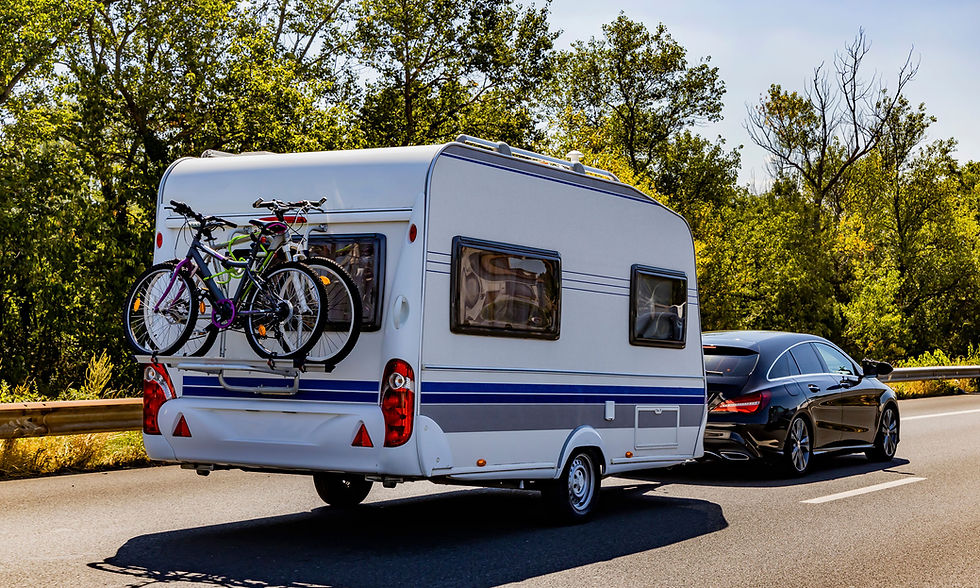
Towbars are a common accessory for vehicles, used to tow trailers, caravans, boats, or other heavy loads. While they offer convenience and expand your vehicle’s capabilities, many drivers wonder about their safety. How safe is a towbar? Can it affect your vehicle’s handling or increase risks on the road? This article explores the key factors that influence towbar safety and what you should consider before using one.
Understanding Towbar Safety Basics
A towbar is designed to connect a trailer or load securely to your vehicle. Its safety depends on several factors, including the quality of the towbar, proper installation, and the load being towed. A poorly installed or low-quality towbar can lead to accidents, damage to the vehicle, or loss of control.
Key points about towbar safety:
The towbar must be rated for the weight of the trailer or load you intend to tow.
Installation should follow manufacturer guidelines and be done by a professional if possible.
Regular maintenance and checks are essential to ensure bolts and connections remain secure.
Towbars come in different types, such as fixed, detachable, or swan neck. Each type has its own safety considerations. For example, detachable towbars offer flexibility but require careful handling to avoid improper attachment.
How Towbars Affect Vehicle Handling
Towing changes the dynamics of your vehicle. The added weight behind the car affects acceleration, braking, and steering. This means your driving style needs to adjust to maintain safety.
When towing, your vehicle’s braking distance increases. The extra weight means it takes longer to stop, especially on downhill slopes or in wet conditions. Steering can also feel heavier, and the vehicle may sway if the load is unbalanced.
To improve safety while towing:
Distribute the load evenly on the trailer.
Avoid sudden maneuvers or sharp turns.
Maintain a safe following distance from other vehicles.
Use towing mirrors if your view is obstructed.
Common Towbar Safety Risks and How to Avoid Them
Several risks come with using a towbar, but most can be managed with proper care.
Risk: Overloading the towbar or vehicle
Exceeding the towbar’s or vehicle’s maximum towing capacity can cause mechanical failure or loss of control. Always check your vehicle’s manual for towing limits.
Risk: Improper installation
A towbar not installed correctly can detach or damage the vehicle’s frame. Use certified installers and verify all bolts and connections.
Risk: Poor maintenance
Rust, loose bolts, or worn parts reduce towbar strength. Inspect the towbar regularly and replace damaged components promptly.
Risk: Inadequate lighting and signaling
Trailers must have working brake lights and indicators. Faulty wiring can confuse other drivers and increase accident risk.
Legal Requirements and Safety Standards
Towbar safety is regulated by laws and standards that vary by country. These rules cover maximum towing weights, speed limits while towing, and equipment requirements.
For example, in many regions:
The trailer must have brakes if it exceeds a certain weight.
Speed limits may be lower when towing.
Towbars must meet specific strength and design standards.
Ignoring these rules can lead to fines, insurance issues, or accidents. Always check local regulations before towing.
Practical Tips for Safe Towing with a Towbar
To maximize safety when using a towbar, follow these practical tips:
Know your limits: Understand your vehicle’s towing capacity and do not exceed it.
Use the right equipment: Choose a towbar and trailer rated for your load.
Check connections: Before every trip, ensure the towbar, hitch, and safety chains are secure.
Drive cautiously: Reduce speed, avoid sudden stops, and allow extra space for braking.
Practice towing: If you are new to towing, practice in a safe area to get comfortable with handling.
When to Replace or Upgrade Your Towbar
Towbars do not last forever. Signs you may need to replace or upgrade include:
Visible rust or corrosion.
Bent or damaged components.
Difficulty attaching or detaching the trailer.
Changes in towing needs, such as heavier loads.
Upgrading to a higher-rated towbar or one with additional safety features can improve your towing experience and safety.
Final Thoughts on Towbar Safety
Towbars are safe when used correctly and maintained well. The key is to respect the limits of your vehicle and equipment, follow legal requirements, and drive carefully. Regular inspections and professional installation reduce risks significantly.
If you plan to tow regularly, invest time in learning about your vehicle’s towing capabilities and best practices. Safe towing protects you, your passengers, and other road users.


Comments