
The Engineering Principles Behind Effective Towbar Design

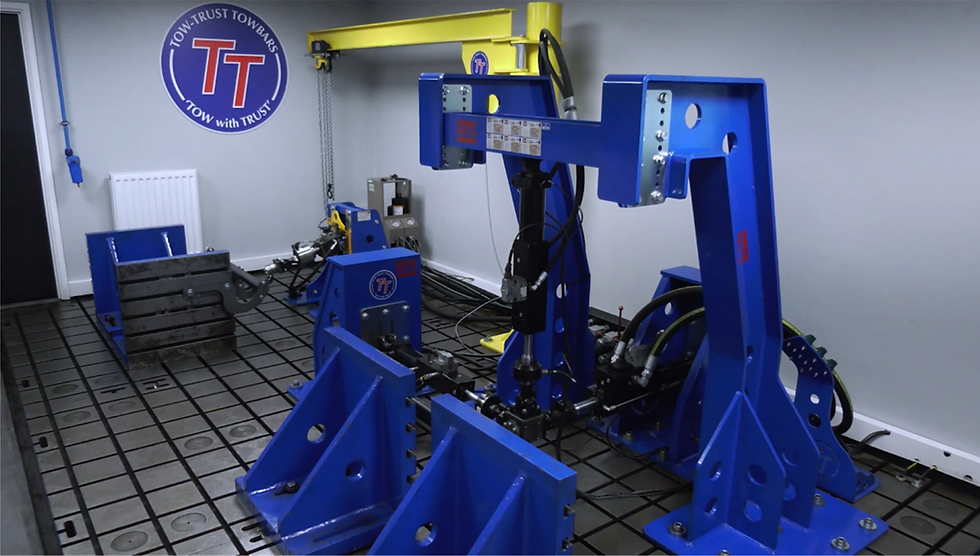
Towbars play a crucial role in safely connecting trailers, caravans, or other loads to vehicles. Despite their simple appearance, designing a towbar involves careful consideration of engineering principles to ensure strength, durability, and safety. This post explores the science behind towbar design, highlighting key factors that engineers address to create reliable towing solutions.
Understanding Load Distribution and Forces
A towbar must handle various forces generated during towing. These include:
Tensile forces pulling the trailer forward
Shear forces acting on the connection points
Bending moments caused by uneven loads or road conditions
Engineers analys
e how these forces distribute across the towbar and vehicle chassis. The goal is to prevent failure by ensuring the towbar can withstand maximum expected loads with a safety margin.
For example, when towing a heavy trailer uphill, the tensile force on the towbar increases significantly. The design must accommodate this without bending or breaking. This involves selecting appropriate materials and cross-sectional shapes that resist deformation.
Material Selection and Strength
Towbars are typically made from high-strength steel alloys. Steel offers a good balance of strength, ductility, and cost-effectiveness. The choice of material affects:
Load capacity
Resistance to fatigue and corrosion
Weight of the towbar assembly
Manufacturers often use treated or coated steel to prevent rust, especially since towbars are exposed to harsh weather and road conditions. Some designs incorporate stainless steel or aluminum alloys for lighter weight, but these materials require careful engineering to maintain strength.
Geometry and Structural Design
The shape and structure of a towbar influence its performance. Common design elements include:
Crossbars and mounting plates that distribute forces evenly
Reinforced joints and welds to prevent weak points
Curved or angled sections to absorb shocks and reduce stress concentrations
Engineers use computer simulations and physical testing to optimize these features. For instance, a towbar with a triangular bracing system can better resist bending forces compared to a simple straight bar.
Safety Features and Standards
Towbar design must comply with strict safety standards set by regulatory bodies. These standards specify:
Minimum load ratings based on vehicle and trailer weight
Testing procedures including static and dynamic load tests
Requirements for attachment points and locking mechanisms
Designers incorporate safety factors to account for unexpected stresses, such as sudden braking or sharp turns. For example, a towbar may be rated to handle 1.5 times the maximum expected load to ensure reliability.
Practical Considerations in Towbar Design
Beyond strength and safety, towbar design also considers usability and compatibility:
Ease of installation on different vehicle models
Compatibility with various trailer hitch types
Corrosion resistance and maintenance needs
Aesthetic integration with the vehicle’s design
Manufacturers often provide modular towbar kits that fit multiple vehicles, simplifying installation for users. Quick-release mechanisms or detachable towballs improve convenience without compromising safety.
Testing and Validation
Before reaching consumers, towbars undergo rigorous testing. This includes:
Static load tests applying heavy weights to check structural integrity
Dynamic tests simulating real-world towing conditions on test tracks
Corrosion and fatigue testing to assess long-term durability
These tests help identify potential failure points and verify compliance with safety standards. Real-world feedback from users also informs design improvements over time.
Summary
Effective towbar design balances strength, safety, and usability through careful engineering. Understanding load distribution, selecting the right materials, optimizing geometry, and adhering to safety standards are key to creating reliable towing equipment. Whether towing a small trailer or a heavy caravan, a well-designed towbar ensures peace of mind and safe journeys.


Comments